
Cart
0
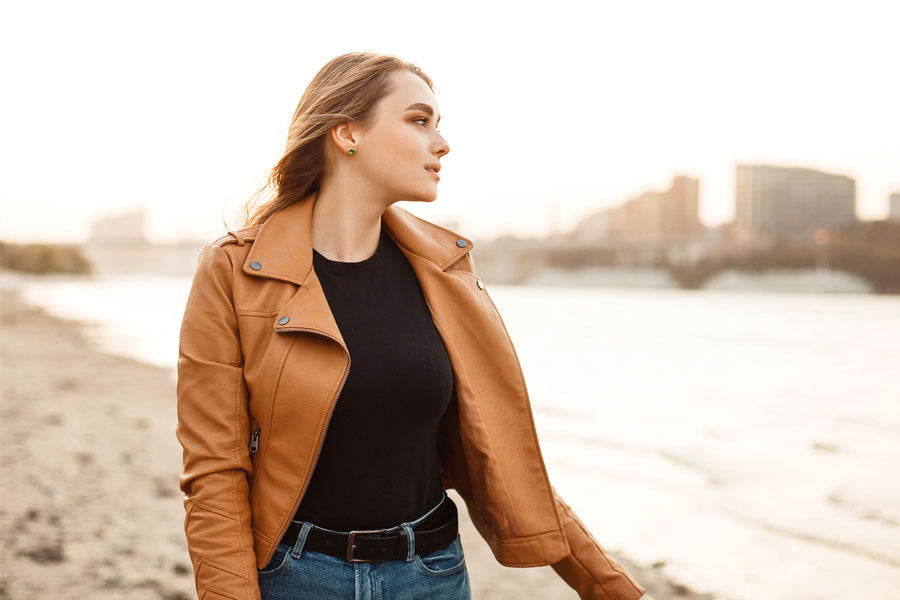
Buying your first leather jacket is an exciting investment. A well-made leather jacket can become one of the most versatile pieces in your wardrobe, working with everything from casual jeans and sneakers to boots and more polished outfits.
However, choosing the right jacket can be challenging. With so many leather types, styles, fits, colors, and price points available, it is easy to focus only on appearance and overlook the details that determine quality and longevity.
If you're wondering how to choose a leather jacket, this leather jacket buying guide will help you make a confident decision. Before making your first purchase, consider these seven important factors.
1. Choose the Right Leather Type and Quality
The most important factor when buying your first leather jacket is the leather itself. Not all leather jackets offer the same feel, durability, appearance, or value.
Different animal hides have different characteristics. Cowhide leather is known for its strength and durability, making it a popular choice for biker and motorcycle jackets. Lambskin leather, on the other hand, is exceptionally soft, lightweight, and supple, making it a popular option for fashion-focused jackets.
You may also come across goat leather, calfskin, suede, and shearling.
Understand Leather Grades
Understanding leather grades can help you determine whether a jacket is worth its price.
-
Full-grain leather: Retains the natural surface of the hide and is known for durability and character.
-
Top-grain leather: Usually processed to create a smoother, more uniform appearance while maintaining good quality.
-
Corrected-grain leather: More heavily processed to create a consistent surface and appearance.
When shopping for your first real leather jacket, don't simply ask whether it is "genuine leather." Ask what type of leather it is, where it comes from, and how it has been finished.
2. Pay Attention to the Jacket's Construction
The quality of a leather jacket isn't determined by the hide alone. Construction plays an equally important role.
Look closely at the panels and seams. A jacket made from carefully selected leather panels can have a cleaner and more refined appearance. Multiple panels aren't automatically a sign of poor quality, especially when they are used intentionally for styling, movement, or detailed construction.
Check how the different sections of the jacket come together. Seams should look clean, consistent, and professionally finished.
A well-constructed jacket should feel solid without looking unnecessarily bulky.
Pro tip: Don't judge a leather jacket only from a distance. Examine the seams, edges, pockets, collar, and other construction details before buying.
3. Check the Inner Lining
The inside of a leather jacket matters almost as much as the outside.
A good leather jacket lining can improve comfort, breathability, movement, and the overall feel of the jacket. The lining also helps the jacket sit properly on your body and makes it easier to put on and take off.
Depending on the design, you may find polyester, cotton, quilted, or premium lining materials.
If you plan to wear your jacket during colder months, a quilted or insulated lining may be more suitable. For warmer weather, look for a lightweight and breathable construction.
Remember that the best lining depends on where, when, and how you plan to wear your leather jacket.
4. Inspect the Stitching and Craftsmanship
One of the easiest ways to evaluate a high-quality leather jacket is to examine its stitching.
Look for:
-
Straight and consistent stitching
-
Secure seams
-
No loose threads
-
Reinforced stress points
-
Clean finishing around pockets and zippers
-
Even stitching throughout the jacket
The craftsmanship should match the price of the jacket. A premium leather jacket should show attention to detail rather than relying solely on expensive-looking leather.
Small details can make a major difference in how a jacket looks and performs after years of wear.
5. Don't Ignore the Hardware
Zippers, buttons, snaps, buckles, and other hardware are often overlooked when buying a leather jacket. However, these components can have a significant impact on both functionality and appearance.
Test the zippers before purchasing. They should move smoothly without catching or feeling excessively loose.
Pay particular attention to the main zipper, pocket zippers, cuffs, and snaps. Quality hardware should feel sturdy and appropriate for the weight and style of the jacket.
For example, biker jackets generally require more substantial hardware because they are designed around a rugged aesthetic, while a minimalist fashion jacket may use more understated hardware.
A good leather jacket should have hardware that complements the quality and purpose of the jacket.
6. Pick a Leather Jacket Style That Matches Your Wardrobe
There is no single "best leather jacket style" for everyone. The right choice depends on your personal style and how you plan to wear it.
Some of the most popular leather jacket styles include:
Biker Jacket
The classic biker jacket features a bold design, often with an asymmetric zipper, wide lapels, and multiple pockets. It is an excellent choice if you want a rugged and distinctive look.
Bomber Jacket
A leather bomber jacket offers a more relaxed and versatile appearance. Its simple silhouette makes it easy to wear with jeans, chinos, sneakers, or boots.
Cafe Racer Jacket
Cafe racer jackets are known for their clean and minimalist design. They typically feature a simple front zipper and stand collar, making them a great choice for someone who wants a sophisticated leather jacket without excessive detailing.
Aviator or Shearling Jacket
Aviator and shearling jackets are ideal for colder weather. Their substantial construction and warm interiors provide both functionality and a distinctive vintage-inspired appearance.
Leather Blazer
A leather blazer offers a more polished approach to leather outerwear. It can work particularly well with smart-casual and semi-formal outfits.
If this is your first leather jacket, consider choosing a classic style that can work with most of the clothes you already own.
7. Get the Right Leather Jacket Fit
Even the best leather jacket won't look good if it doesn't fit properly.
Fit is one of the most important considerations when buying your first jacket. A leather jacket should generally feel comfortable and relatively snug without restricting your movement.
Start with the shoulders. The shoulder seams should sit close to your natural shoulder points rather than extending too far beyond them.
Next, check the sleeves. They should generally reach around your wrist area without being excessively long or short.
Pay attention to the armholes and chest as well. You should be able to move your arms comfortably without the jacket becoming excessively loose.
The body length also matters. Traditional leather jackets typically finish around the waistband or hip area, although the ideal length varies according to the jacket style.
Should a Leather Jacket Feel Tight at First?
A new leather jacket can feel slightly firm, particularly when made from substantial leather. However, it should never be painfully tight or restrict normal movement.
Keep in mind that some leather can soften and relax with regular wear. That is why choosing the correct measurements is more important than simply buying a larger size for comfort.
How Much Should You Spend on Your First Leather Jacket?
Leather jackets can vary dramatically in price. Instead of choosing a jacket based solely on its price tag, evaluate what you are getting for your money.
Consider:
-
Leather type
-
Leather grade
-
Construction
-
Stitching quality
-
Lining
-
Hardware
-
Overall craftsmanship
-
Brand reputation
-
Expected longevity
A more expensive jacket isn't automatically better. Likewise, an unusually cheap leather jacket may involve compromises in leather quality, construction, or finishing.
The goal is to find the best value leather jacket for your budget rather than simply choosing the cheapest or most expensive option.
Final Thoughts: Make Your First Leather Jacket Count
Buying your first leather jacket doesn't have to be complicated. If you know what to look for, you can avoid many common mistakes and choose a jacket that you'll enjoy wearing for years.
Start by selecting the right leather type and quality, then examine the construction, lining, stitching, and hardware. After that, choose a style that complements your wardrobe and, most importantly, make sure the jacket fits correctly.
A leather jacket is more than just another fashion purchase. When you choose the right one and take care of it properly, it can become a timeless wardrobe staple that develops more character with age.
Take your time, compare your options, and don't buy a leather jacket based on appearance alone. The details are what make the difference.
Frequently Asked Questions
What should I look for when buying my first leather jacket?
Focus on leather quality, construction, stitching, hardware, lining, style, and fit. These factors will help you determine whether a jacket offers good value for its price.
Which leather is best for a first leather jacket?
It depends on your needs. Cowhide is an excellent option if durability is your priority, while lambskin is a good choice if you prefer a softer and lighter jacket.
How should a leather jacket fit?
A leather jacket should fit comfortably around the shoulders and chest while allowing you to move your arms freely. It should feel snug without being restrictive.
Are expensive leather jackets worth it?
Price alone doesn't guarantee quality. Look at the leather, craftsmanship, construction, hardware, lining, and overall finish to determine whether a jacket provides good value.
What is the most versatile leather jacket style?
Classic styles such as bomber, cafe racer, and simple biker jackets can be highly versatile. For a first purchase, choose a style that works naturally with most of your existing wardrobe.
Does real leather get better with age?
High-quality leather can develop character and a distinctive patina over time. Proper care and maintenance can also help extend the life of a leather jacket.
